- Home
- Technology
- Bluetooth
Bluetooth
How two devices find each other and swap data over a few metres of radio.
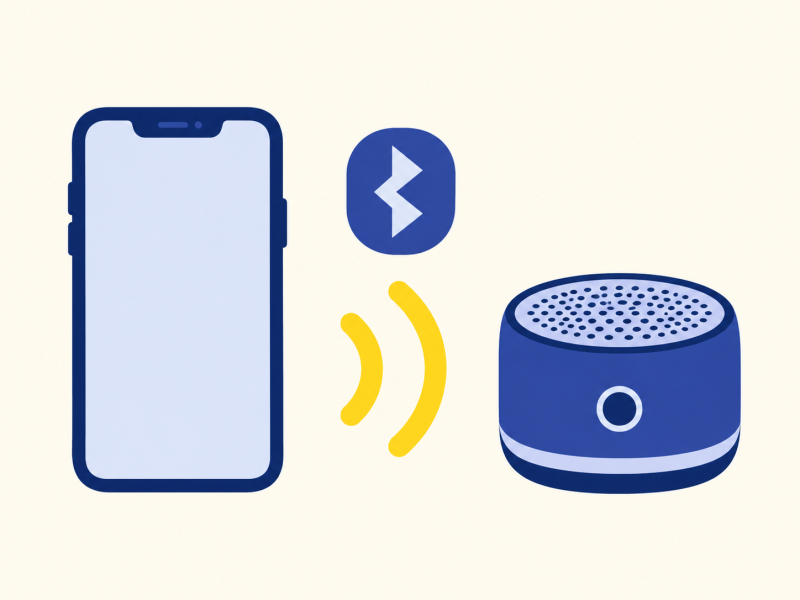
The short version
Bluetooth is a short-range radio link between two devices. They first agree to trust each other, which is called pairing, and then swap small amounts of data over about ten metres. It uses very little power, which is why it suits headphones, watches and keyboards.
I always thought Bluetooth was a weaker, older version of Wi-Fi.
It is a different tool for a different job.
Wi-Fi is for a network. Bluetooth is for a cable you can't see.
A wire without the wire
Bluetooth replaces the lead between two devices that are close together. A phone and a pair of headphones, a keyboard and a laptop, or a speaker and a phone each need a link, not a network.
It uses the same radio band as some Wi-Fi, 2.4 GHz, but with far less power. Typical range is up to about ten metres, though walls and bodies shorten it. In exchange, small batteries last for days or months.
Pairing
When you press the pairing button, one device announces itself as available. The other lists it, and you choose it. The two devices then swap secret keys, and from then on they recognise each other and encrypt what they send, so a neighbour's phone can't join in.
After pairing, they reconnect automatically whenever they are close, without asking again.
Staying out of the way
The 2.4 GHz band is crowded with Wi-Fi, microwave ovens and other devices. Bluetooth uses adaptive frequency hopping to reduce interference. Classic Bluetooth can hop up to 1,600 times a second; Bluetooth Low Energy changes channels at connection events, so its timing differs.
Harald Bluetooth
The technology is named after a tenth-century Danish king who united parts of Scandinavia, as the technology was meant to unite computers and phones. The logo combines his initials in old Norse runes.
Bluetooth is a security risk because anyone can connect.
Some links require pairing and authentication; others exchange limited data without it. Keep devices updated and reject pairing requests you did not start.
What it is used for
Besides audio, Bluetooth links watches, fitness trackers, car stereos, game controllers and many household gadgets. Two special uses explain much of its popularity: wireless headphones, and the noise cancelling built into many of them.
Classic and low energy
There are really two kinds of Bluetooth in one chip. The older classic kind streams a steady flow, which suits music and calls. Low energy sends tiny bursts and sleeps in between, which suits a heart-rate strap or a door sensor that must run for a year on a coin battery.
Your phone speaks both, so it can stream to your speaker and read your watch at the same time. Newer versions of Bluetooth increase the speed and range a little, but the idea has stayed the same.
Sources: Bluetooth Core Specification, Bluetooth security
Note: Bluetooth range depends on the version, the aerial and what is in the way. Ten metres is a guide for typical devices, not a promise.
Key takeaways
- Bluetooth is a short-range radio link, not a network.
- Pairing swaps secret keys, once.
- It hops frequencies to dodge interference.
- Low power is the point.
Now you know.
Bluetooth is a cable you can't see.
Pairing happens once.
It hops to avoid clashes.
Last reviewed 3 Nov 2026
Where next?
Explained further by
-
Read
 Technology
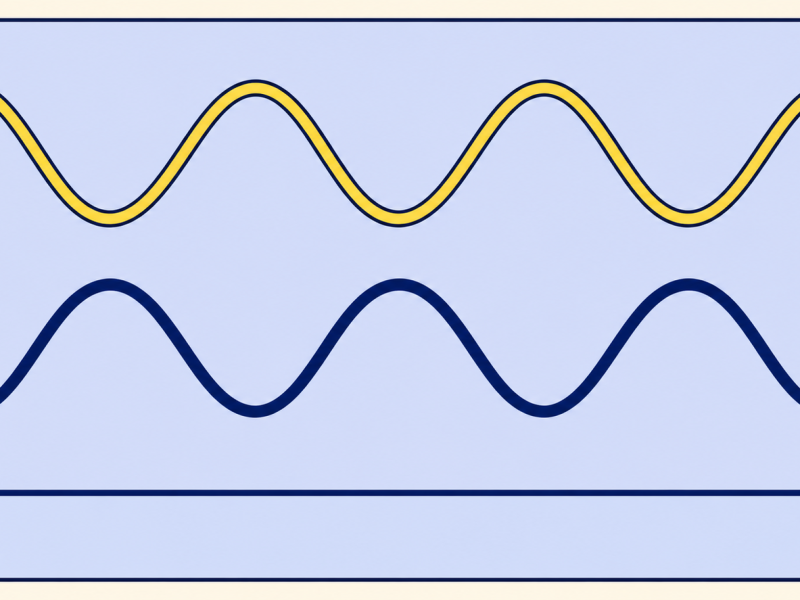
How noise cancelling works
How active noise cancelling uses a microphone and a mirror-image sound wave to quieten steady background…
-
Read
 Technology
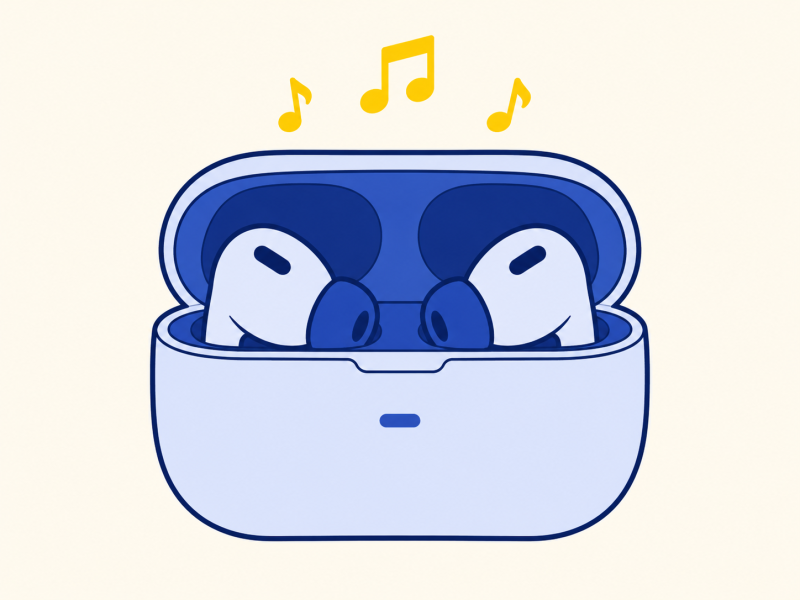
How wireless headphones work
How wireless headphones turn Bluetooth data back into sound, why the music is compressed, why there is a…
More in Technology
-
Read
 Technology
Artificial intelligence
What AI means today: software that learns patterns from examples instead of following written rules, and…
-
Read
 Technology
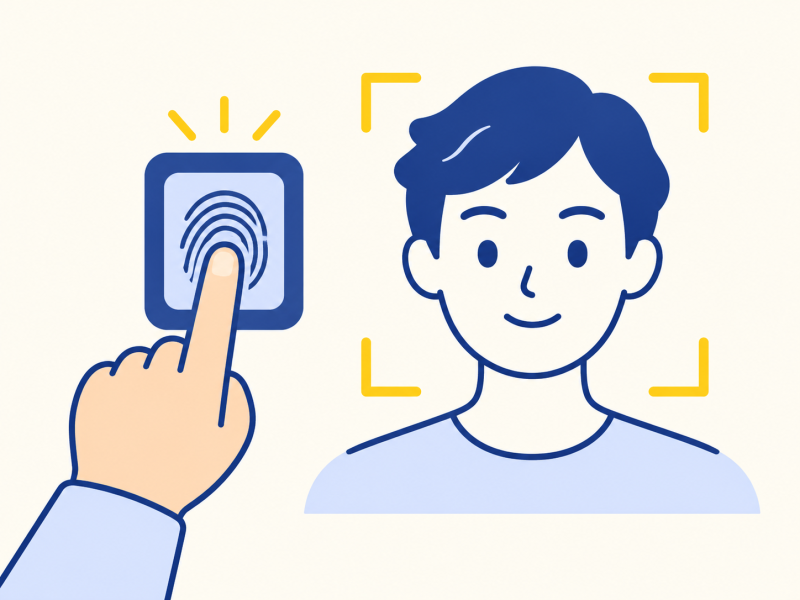
Fingerprint and face unlock
How fingerprint and face unlock work: a scan becomes a pattern of numbers kept on the phone and compared each…
-
Read
 Technology
The cloud
What the cloud is: someone else's computers in a data centre that you reach over the internet, why that is…