The short version
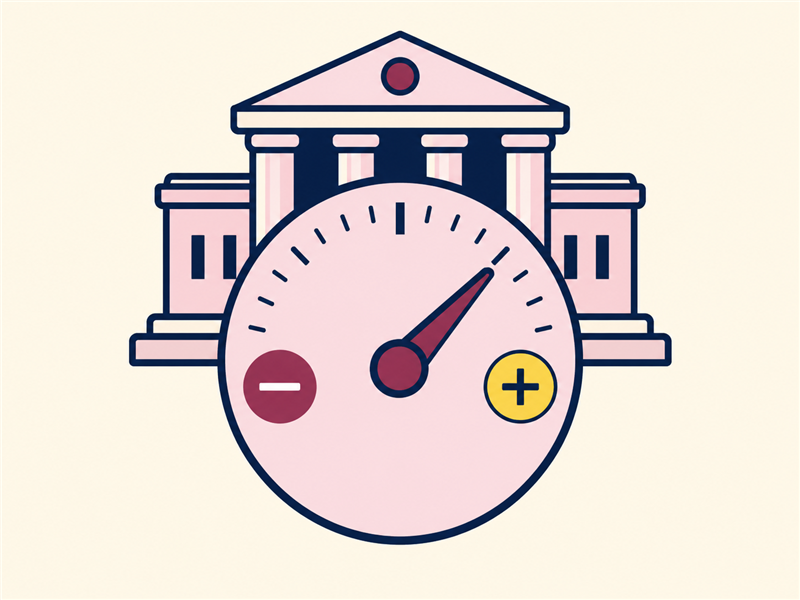
The Bank of England sets Bank Rate, the interest it pays banks that keep money with it. Raising it makes borrowing dearer and saving more rewarding, which cools spending and slows price rises. Cutting it does the reverse. It builds on inflation.
I always assumed the Bank of England decided what my mortgage rate would be.
It does not. It sets one rate, and lenders choose their own.
They follow it, but not exactly, and not at once.
One rate that others follow
Bank Rate is the interest rate the Bank of England pays on reserves held by eligible firms. It influences other rates because it changes the return available to banks, but it does not set customer rates directly.
When Bank Rate rises, lenders often raise rates on new borrowing and may increase variable rates; savings rates may rise too. The amount and timing differ between products and lenders. When it falls, the pattern often reverses.
Who decides, and why
A committee of nine people, the Monetary Policy Committee, normally meets eight times a year to decide Bank Rate. They look at inflation, wages, how much people are spending and what is happening abroad.
If inflation is above the 2% target, they may raise the rate to slow demand. If it is below, or the economy is weak, they may cut the rate to encourage spending.
What a change does
Rate rises
CoolerBorrowing costs more, saving pays more, and people spend less, which slows price rises.
Rate falls
WarmerBorrowing costs less and saving pays less, so people spend and invest more.
The Bank of England sets the rate on my mortgage.
It sets Bank Rate only. Each lender chooses its own mortgage rate, and some mortgages do not change when Bank Rate does.
Why it is slow
A change in Bank Rate does not work at once. Many people are on fixed-rate mortgages that change only when the deal ends, and businesses plan ahead. The full effect on prices can take a year or two.
That delay is why the Committee tries to look ahead rather than react to last month's figures. It is also why a rate rise can seem not to be working for a while. See how fixed and variable mortgages respond.
Note: this explains how it works in general. It is not advice for your situation. For a decision about your money, check an official source or ask a qualified professional.
Sources: Bank of England, Bank Rate and interest rates and Monetary Policy Committee. Figures are for the UK.
Key takeaways
- Bank Rate is the Bank of England's interest rate.
- Other rates follow it, but not exactly.
- Higher rates cool spending; lower rates warm it.
- Changes take a year or two to work through.
Now you know.
One rate sets the pace.
Higher means cooler.
Lower means warmer.
Last reviewed 3 Nov 2026